Heat vs. Ice for Joint Pain: When to Use Each Treatment
Should you use heat or ice for arthritis pain? Learn when each therapy works best and how to apply them safely for maximum relief.
By Joint Pain Authority Team
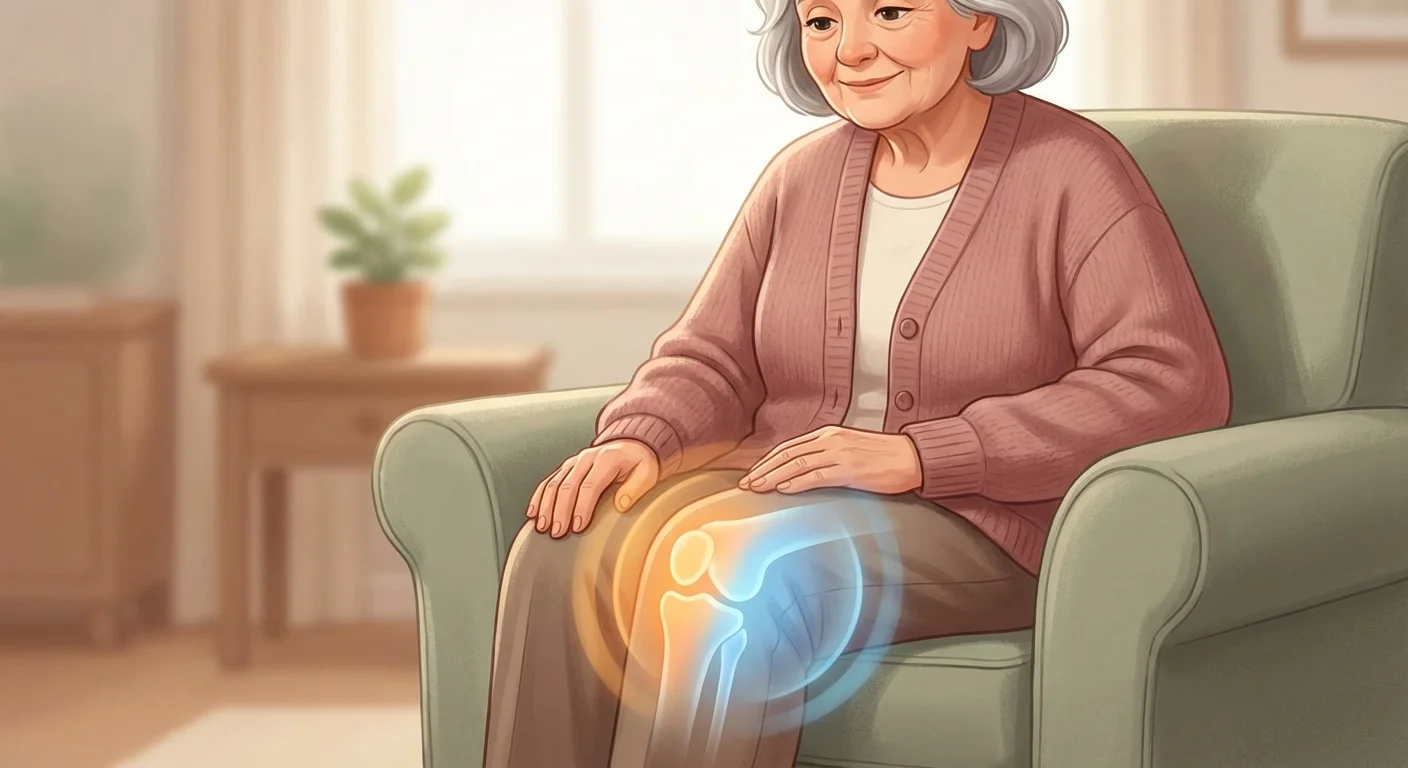
Key Takeaways
- Ice works best for sudden flare-ups, swelling, and sharp pain by reducing inflammation
- Heat is ideal for morning stiffness, chronic aches, and muscle tension by improving blood flow
- Never apply heat or ice directly to bare skin—always use a protective barrier
- Limit sessions to 15-20 minutes to avoid skin damage or reduced effectiveness
- Listen to your body—if a treatment makes pain worse, stop and try the other
When joint pain strikes, your first instinct might be to reach for the heating pad or ice pack. But which one should you choose? The answer depends on what’s causing your discomfort and when it started.
Understanding the difference between heat and ice therapy can help you get faster relief and avoid making pain worse. Let’s break down when to use each approach.
How Ice Therapy Works
Ice (also called cryotherapy) reduces blood flow to the painful area. This helps in several ways:
What ice does:
- Numbs nerve endings to reduce pain signals
- Decreases inflammation and swelling
- Slows down tissue damage from injury
- Reduces muscle spasms
Think of ice as a fire extinguisher for inflammation. When your joint is hot, red, or swollen, you want to cool things down quickly.
When to Use Ice
Ice works best for:
Acute injuries and flare-ups - If you twisted your knee yesterday or woke up with a sudden, painful joint, ice is your friend. Apply it within the first 24-48 hours of a new injury.
Visible swelling - When a joint looks puffy or feels warm to the touch, that’s inflammation. Ice helps bring down the swelling faster.
Sharp, intense pain - If the pain is severe and throbbing, ice can provide quick numbing relief.
After physical activity - Used an aching knee during your morning walk? Ice afterward helps prevent inflammation from building up.
Arthritis flare-ups - During an osteoarthritis flare when joints become hot and inflamed, ice provides targeted relief.
How to Apply Ice Safely
- Never apply ice directly to skin - Always wrap ice packs in a thin towel or cloth
- Use for 15-20 minutes maximum - Longer doesn’t help and can damage skin
- Wait at least 45 minutes between applications - Give tissues time to return to normal temperature
- Check skin every 5 minutes - Look for numbness, tingling, or color changes
- Stop if pain increases - Some people find ice uncomfortable rather than soothing
Ice pack options:
- Commercial gel packs (keep several in your freezer)
- Bag of frozen peas or corn (conforms to joint shape)
- Ice cubes in a sealed plastic bag
- Reusable cold wraps designed for knees, shoulders, or hips
How Heat Therapy Works
Heat (thermotherapy) does the opposite of ice—it increases blood flow to the area. This brings fresh oxygen and nutrients while carrying away waste products.
What heat does:
- Relaxes stiff muscles and tight tendons
- Improves flexibility in joints
- Increases circulation for healing
- Provides soothing comfort to chronic aches
Think of heat as loosening a rusty hinge. It makes movement easier and more comfortable.
When to Use Heat
Heat works best for:
Morning stiffness - That tight, achy feeling when you first wake up responds beautifully to heat. Many people with arthritis benefit from a warm shower or heating pad first thing in the morning.
Chronic joint pain - Long-standing aches that aren’t red or swollen improve with regular heat application.
Muscle tension - Tight muscles around painful joints need heat to relax and loosen up.
Before exercise - Warming up stiff joints before physical activity prepares them for movement and reduces injury risk.
Weather-related aches - Cold, damp weather often makes joint pain worse. Heat counteracts this effect.
How to Apply Heat Safely
- Test temperature first - Heat should feel warm and comfortable, never burning
- Use moist heat when possible - It penetrates deeper than dry heat (hot towels, warm baths, moist heating pads)
- Apply for 15-20 minutes - Like ice, longer isn’t better
- Never fall asleep with heating pads - This is especially important for seniors with reduced sensation
- Avoid heat on swollen joints - This can make inflammation worse
Heat therapy options:
- Electric heating pads with auto-shutoff
- Microwavable heat packs filled with rice or gel
- Warm, moist towels (reheat as they cool)
- Warm baths or showers (95-100°F is ideal)
- Paraffin wax treatments for hand and finger joints
Common Scenarios: What Should You Use?
Let’s look at specific situations you might encounter:
Scenario: You twisted your ankle playing with grandchildren Use: Ice - This is an acute injury with likely swelling. Ice for the first 2-3 days, then switch to heat.
Scenario: Your knees ache every morning when you wake up Use: Heat - Morning stiffness from chronic knee osteoarthritis responds to heat therapy.
Scenario: Your shoulder is red, warm, and swollen Use: Ice - These are classic signs of inflammation. Heat would make it worse.
Scenario: Your hip feels tight and restricted before your walk Use: Heat - Warming up stiff joints before activity improves mobility.
Scenario: You overdid yard work and your back is sore Use: Ice first - You’ve irritated tissues. Ice for 24-48 hours, then switch to heat for muscle relaxation.
Scenario: Your hands feel stiff and achy in cold weather Use: Heat - Chronic cold-weather aches need warmth. Consider warm water soaks or heated gloves.
Contrast Therapy: Using Both Heat and Ice
Some people benefit from alternating between heat and ice, called contrast therapy. This approach “pumps” the area by alternately expanding and contracting blood vessels.
How to do contrast therapy:
- Start with heat for 3-4 minutes
- Switch to ice for 1 minute
- Repeat the cycle 3-4 times
- Always end with ice
This technique works well for chronic conditions where both stiffness and inflammation are present. However, check with your doctor before trying contrast therapy if you have circulation problems or diabetes.
Special Safety Considerations for Seniors
As we age, our skin becomes thinner and more sensitive to temperature extremes. Keep these precautions in mind:
Reduced sensation - Diabetes, neuropathy, and some medications can reduce your ability to feel heat or cold. This increases burn and frostbite risk.
Thinner skin - Older skin damages more easily. Always use a protective barrier and check skin frequently.
Circulation issues - Poor circulation means tissues heat and cool more slowly. Use moderate temperatures and longer warm-up periods.
Medication interactions - Some blood thinners and pain medications affect how your body responds to temperature. Discuss with your pharmacist.
When Home Remedies Aren’t Enough
Heat and ice are excellent first-line treatments, but they don’t address the underlying cause of joint pain. You should see a healthcare provider if:
- Pain persists for more than a few weeks
- Swelling doesn’t improve with ice
- You can’t bear weight on the joint
- The joint feels unstable or gives out
- Pain interferes with sleep or daily activities
- Over-the-counter pain relievers don’t help
For conditions like moderate to severe knee osteoarthritis, treatments such as hyaluronic acid injections may provide longer-lasting relief than home remedies alone. These treatments work by restoring cushioning in the joint, addressing the problem at its source rather than just managing symptoms.
Combining Heat and Ice with Other Treatments
Heat and ice therapy work even better when combined with:
Gentle exercise - Movement keeps joints flexible and muscles strong. Use heat before exercise, ice after if needed.
Weight management - Every pound lost takes four pounds of pressure off knee joints.
Proper posture - Good alignment reduces unnecessary stress on joints.
Rest when needed - Overdoing it leads to more pain and inflammation.
Anti-inflammatory foods - A diet rich in omega-3s and antioxidants supports joint health from the inside.
Making Heat and Ice Part of Your Daily Routine
The most effective pain management plans use heat and ice proactively, not just when pain strikes. Consider:
Morning routine - Start your day with heat therapy to reduce stiffness and improve mobility for your morning activities.
After activity - Apply ice after gardening, shopping, or exercise to prevent inflammation from building up.
Before bed - Gentle heat in the evening can ease achiness and promote better sleep.
Keep supplies handy - Store ice packs in the freezer and heating pads in easily accessible locations.
The Bottom Line
Heat and ice are simple, safe, and surprisingly effective tools for managing joint pain at home. The key is knowing which to use when:
- Ice for inflammation - Use when joints are hot, swollen, or newly injured
- Heat for stiffness - Use for chronic aches, morning stiffness, and before activity
- Safety first - Always protect skin, limit sessions to 15-20 minutes, and listen to your body
While heat and ice therapy can provide significant relief, they’re most effective as part of a comprehensive approach to joint health. If you’re dealing with persistent pain that affects your quality of life, talk with a healthcare provider about your treatment options.
Frequently Asked Questions
Can I use heat and ice on the same day?
Yes, you can use both heat and ice on the same day, but not at the same time. A common approach is to use ice after activities that might cause swelling, and heat for stiffness later in the day or the next morning.
How long should I wait between ice applications?
Wait at least 45 minutes to an hour between ice applications. Your tissues need time to return to normal temperature before another session.
Is moist heat better than dry heat?
Yes, moist heat generally penetrates deeper into tissues than dry heat. Options include warm, damp towels, moist heating pads, or warm baths. However, dry heat is still effective and may be more convenient.
Can I ice my joints too much?
Yes. Applying ice for longer than 20 minutes at a time or too frequently can damage skin and underlying tissues. It can also reduce effectiveness by causing tissues to retain heat as a protective response.
Should I use heat or ice for arthritis?
It depends on the situation. Use ice during acute flare-ups when joints are hot and swollen. Use heat for chronic stiffness and aching, especially in the morning. Many people with arthritis use heat more often, but keep ice on hand for flare-ups.
What temperature should heating pads be set to?
Use a low to medium setting. The heat should feel comfortably warm, never burning. If your heating pad doesn’t have temperature settings, check it frequently and place a towel between the pad and your skin.
Last medically reviewed: February 2025
The information provided on Joint Pain Authority is for educational purposes only and is not intended as a substitute for professional medical advice, diagnosis, or treatment. Always seek the advice of your physician or other qualified health provider with any questions you may have regarding joint pain or medical conditions.
Enjoyed this article?
Get more insights like this delivered to your inbox weekly.
Join 10,000+ readers. No spam.