Home Modifications for Arthritis: Joint-Friendly Spaces
Simple home modifications can dramatically reduce joint strain and increase independence. Learn room-by-room adaptations that make daily life easier with arthritis.
By Joint Pain Authority Team
Key Takeaways
- Simple modifications can dramatically reduce daily joint strain
- Start with the highest-impact changes: bathroom safety, kitchen accessibility, bedroom comfort
- Many modifications are inexpensive and don’t require permanent changes
- Proper lighting reduces fall risk and makes tasks easier
- Lever handles, grab bars, and raised seating are game-changers
- An occupational therapist can provide personalized recommendations
Your home should be a place of comfort and safety, not a daily obstacle course that aggravates your joints. The good news is that many modifications are simple, affordable, and make an immediate difference in how you feel at the end of each day.
This room-by-room guide covers modifications from quick fixes to more substantial changes, so you can prioritize based on your needs and budget.
General Principles
Before diving into specific rooms, keep these principles in mind:
Reduce Bending and Reaching
- Bring frequently used items to waist height
- Store heavy items at hip level, not on high shelves or low cabinets
- Use reachers for items beyond comfortable reach
Minimize Gripping and Twisting
- Replace round doorknobs with lever handles
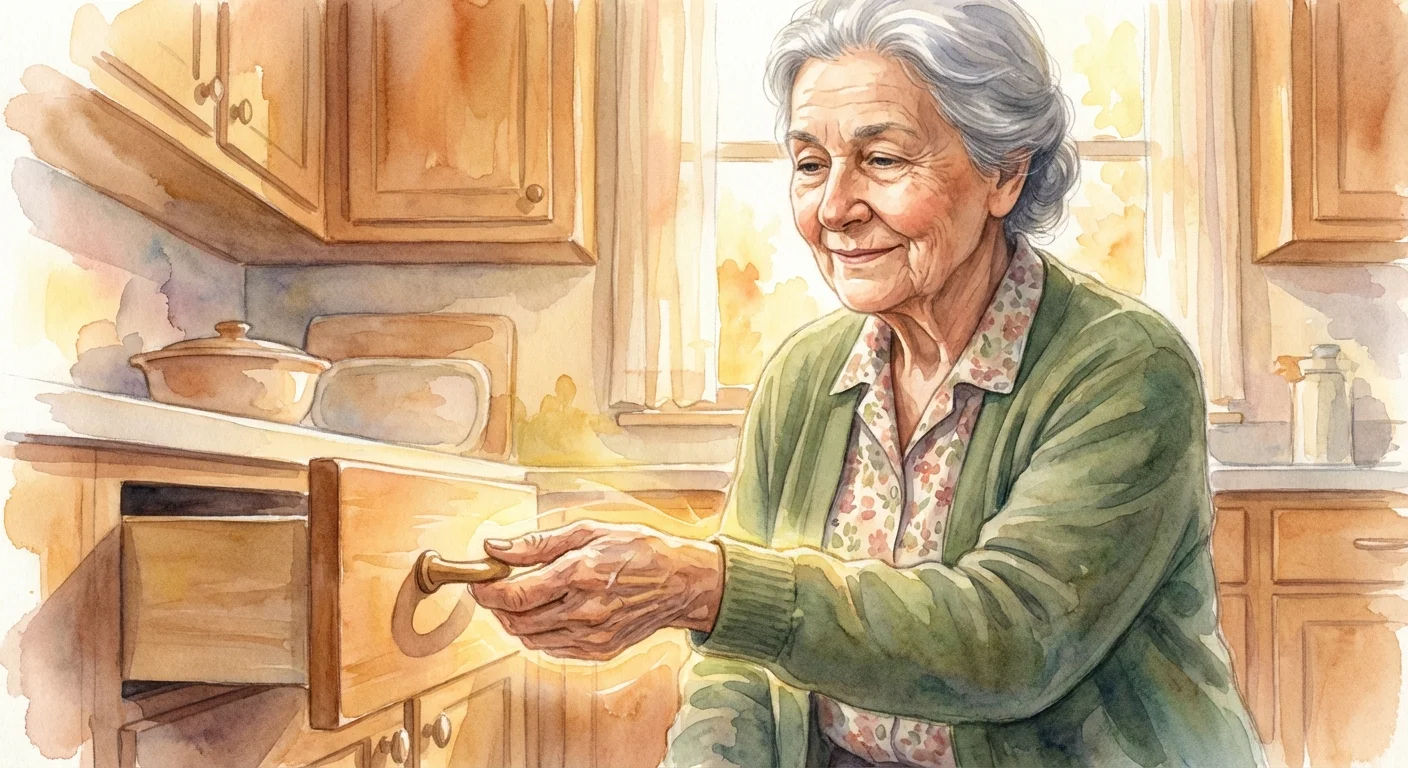
- Use loop handles on drawers
- Choose pull-out shelving over deep cabinets
Improve Stability and Safety
- Remove tripping hazards (loose rugs, cords)
- Ensure adequate lighting everywhere
- Install grab bars where you need support
Create Rest Points
- Place seating throughout the home
- Position chairs where you naturally pause
- Ensure you can rest during longer tasks
Bathroom Modifications
The bathroom is the most dangerous room in the home for people with joint problems—hard surfaces, wet conditions, and activities requiring balance all create fall risks.
Toilet Area
Raised toilet seat:
- Adds 2-6 inches to standard toilet height
- Makes sitting and standing much easier on knees and hips
- Clamp-on models require no installation
- Padded versions add comfort
Toilet safety frame:
- Rails on either side provide support for sitting and standing
- Freestanding models require no installation
- Combined seat riser and frame units are available
Comfort height toilet:
- Permanent solution—17-19 inches high vs. standard 15 inches
- Requires plumber installation
- Worth considering during any bathroom renovation
Shower and Tub
Grab bars:
- Install near tub entry/exit points
- Inside shower for stability
- Must be properly anchored into studs (not suction cups for primary support)
- L-shaped bars provide both horizontal and vertical grip
Shower seat or bench:
- Allows sitting while bathing
- Built-in, folding, or removable options
- Transfer bench bridges tub wall for easier entry
- Shower chair with back provides more support
Walk-in shower conversion:
- Eliminates climbing over tub edge
- Zero-threshold entry is ideal
- Can include built-in seating
- Major renovation but transformative
Non-slip surfaces:
- Textured bath mat inside tub
- Non-slip strips or coating on floor
- Non-slip mat outside tub for wet feet
Handheld showerhead:
- Allows seated showering
- Easier to rinse without twisting
- Inexpensive and easy to install
Sink Area
Lever faucet handles:
- Replace twist knobs
- Operate with palm or forearm, not fingers
- Single-lever models easiest
Raised vanity:
- Counter-height sinks reduce bending
- Vessel sinks on countertop provide extra height
- Consider during any renovation
Kitchen Modifications
You likely spend significant time in the kitchen. Making it joint-friendly pays dividends daily.
Cabinets and Storage
Pull-out shelving:
- Brings items to you instead of reaching deep into cabinets
- Retrofit kits available for existing cabinets
- Essential for lower cabinets
Lazy Susans:
- Rotate contents to front access
- Ideal for corner cabinets
- Available in various sizes
Wall organization:
- Magnetic knife strips at comfortable height
- Hanging racks for pots and utensils
- Pegboard for frequently used items
Reorganize for accessibility:
- Daily items between waist and eye level
- Heavy items at waist height
- Rarely used items on highest and lowest shelves
- Duplicate frequently used items (keep scissors in multiple rooms)
Counters and Workspaces
Counter height:
- Standard counters may require bending
- Ideal work height varies—generally where your forearms rest comfortably
- A portable raised cutting board can increase work height
- Consider one section at seated height for resting while working
Workspace seating:
- Kitchen stool or tall chair at counter
- Allows sitting during prep work
- Reduces standing fatigue
Appliance placement:
- Bring frequently used items to counter level
- Store the mixer on the counter, not in a cabinet
- Pull-out appliance shelves bring heavy items up
Sink and Dishwasher
Lever faucets:
- As in bathroom—easier than twist handles
- Touchless faucets eliminate gripping entirely
Dishwasher modifications:
- Drawer dishwashers are easier to load/unload (no bending)
- Raised dishwasher installation (in drawer banks) is becoming more common
- At minimum, consider a dishwasher rack that rolls out
Cooking Safety
Auto-shutoff appliances:
- Reduces worry about forgetting to turn things off
- Available in kettles, coffee makers, and some ranges
Front-control ranges:
- No reaching over hot burners
- Induction cooktops are cooler and safer
Lightweight cookware:
- Cast iron is beautiful but heavy—consider alternatives
- Non-stick reduces scrubbing
- Smaller pots and pans that match your needs
Opening Things
Electric can opener:
- Essential for hand arthritis
- Countertop models are most stable
Jar opener:
- Under-cabinet mounted versions grip while you twist
- Rubber grip discs provide extra traction
- Electric openers available
Package opener:
- Ring pulls on cans
- Pre-cut or easy-open packaging when available
Bedroom Modifications
Quality sleep is essential for managing joint pain, and getting in and out of bed shouldn’t hurt.
The Bed
Bed height:
- Should allow sitting with feet flat on floor and knees at 90 degrees
- Bed risers raise a low bed
- Reduce box spring height or use platform for a too-high bed
- Adjustable beds let you find the perfect height
Mattress:
- Medium-firm generally recommended for arthritis
- Consider adjustable firmness options
- Memory foam may help—try before buying
- Mattress toppers can modify existing mattress
Bed rails:
- Assist with getting in and out
- Provide stability when turning
- Various styles from handle to full rail
Adjustable bed base:
- Raise head and feet for comfortable positioning
- Makes getting out easier
- Some models include massage features
Dressing
Chair or bench:
- Sit to dress rather than balancing on one foot
- Place near closet or dresser
Closet organization:
- Lower hanging rods to accessible height
- Use pull-down closet rods for upper storage
- Drawer organizers reduce digging
- Good lighting inside closet
Dressing aids:
- Long-handled shoehorn
- Sock aids for pulling on socks
- Button hooks for small buttons
- Zipper pulls with loops
- Elastic shoelaces (no tying)
Getting Up at Night
Pathway lighting:
- Motion-activated nightlights
- Lit path to bathroom
- No fumbling for switches in the dark
Bedside organization:
- Phone and water within reach
- Flashlight in case of power outage
- Medications if taken at night
Living Areas
Seating
Chair selection:
- Firm cushions (easier to rise from than soft)
- Armrests for pushing up
- Seat height 17-19 inches
- Recliners with power lift feature
Rising aids:
- Lift cushions that assist standing
- Lift chairs (powered rising assistance)
- Couch cane (portable rising aid)
Flooring and Rugs
Remove tripping hazards:
- Secure or remove loose rugs
- Tape down rug edges
- Consider removing rugs entirely
Flooring considerations:
- Low-pile carpet provides cushioning and grip
- Cork flooring is softer on joints
- Avoid slippery surfaces
Lighting
Adequate illumination:
- Good lighting reduces fall risk
- Important for reading and tasks
- Layer ambient, task, and accent lighting
Easy controls:
- Rocker switches easier than toggle
- Touch lamps eliminate switch manipulation
- Smart home voice control (“Hey Google, turn on lights”)
- Remote controls near seating
Stairs
If you have stairs:
- Sturdy handrails on both sides
- Mark edge of steps for visibility
- Non-slip treads
- Good lighting
Avoiding stairs:
- Set up a main floor living area if possible
- Move bedroom to ground floor
- Stair lifts for multi-story homes
Entry and Exits
Doors
Lever handles:
- Replace round doorknobs throughout
- Easier for hands and can be operated with elbow
Door width:
- Standard doors (32”) may be narrow for mobility aids
- Offset hinges can add 2” of clearance
- Consider wider doors if renovating
Outdoor Access
Pathway:
- Level, non-slip surface
- Eliminate or minimize steps
- Handrails where needed
- Adequate lighting
Ramp:
- May be needed for wheelchair or walker access
- Portable ramps available
- Permanent ramps should have gradual slope
Outdoor seating:
- Bench near entry for resting
- After carrying groceries in, etc.
Getting Started
Prioritize
You don’t have to do everything at once. Start with:
- Safety first: Bathroom grab bars, lighting, remove tripping hazards
- Daily activities: Kitchen accessibility, dressing aids
- Comfort: Seating, bed modifications
- Nice to have: Additional convenience items
Professional Assessment
Consider consulting an occupational therapist:
- Home assessment identifies specific needs
- Recommendations tailored to your condition
- May be covered by insurance
- Can help with equipment selection
Funding Assistance
Possible financial help:
- Medicare may cover some durable medical equipment
- Medicaid waiver programs for home modifications
- Area Agency on Aging programs
- Rebuilding Together and similar nonprofits
- Some modifications may be tax-deductible as medical expenses
Frequently Asked Questions
Do I need to tell my landlord about modifications?
For renters, it depends on your lease and local laws. The Fair Housing Act requires landlords to allow reasonable modifications for disabilities, though you may need to restore the unit when you leave. Portable items (raised toilet seats, grab bars with anchors you can remove) avoid this issue.
Will modifications affect my home’s resale value?
Most modifications are neutral or positive for resale. Universal design features appeal to aging-in-place buyers. Grab bars, lever handles, and good lighting benefit everyone. More significant modifications (stair lifts, roll-in showers) appeal to the growing market of older buyers.
Should I make modifications now or wait until I need them?
Generally, sooner is better. Making modifications while you’re still capable is easier than scrambling during a crisis. Many modifications are inexpensive and improve daily comfort immediately.
What if I rent and can’t make permanent changes?
Many solutions are portable or removable:
- Clamp-on grab bars (though not as secure as wall-mounted)
- Raised toilet seats
- Bed rails
- Lever handle adapters
- Portable ramps
- Removable shelving
How do I find a contractor who understands accessibility?
Look for Certified Aging-in-Place Specialists (CAPS) through the National Association of Home Builders. These contractors have specific training in accessibility modifications. Occupational therapists can also recommend trusted contractors.
Looking for more ways to manage daily life with arthritis? Explore our guides on gardening with joint pain and travel tips for arthritis.
Last medically reviewed: January 2025
Medical Disclaimer: This article is for informational purposes only. Consult an occupational therapist or healthcare provider for personalized recommendations based on your specific condition and living situation.
Enjoyed this article?
Get more insights like this delivered to your inbox weekly.
Join 10,000+ readers. No spam.