Why Your Parent's Knee Pain Is a Mental Health Crisis
Chronic knee pain affects more than joints—it leads to depression and isolation. What caregivers need to know about the mental health connection.
By Joint Pain Authority Team
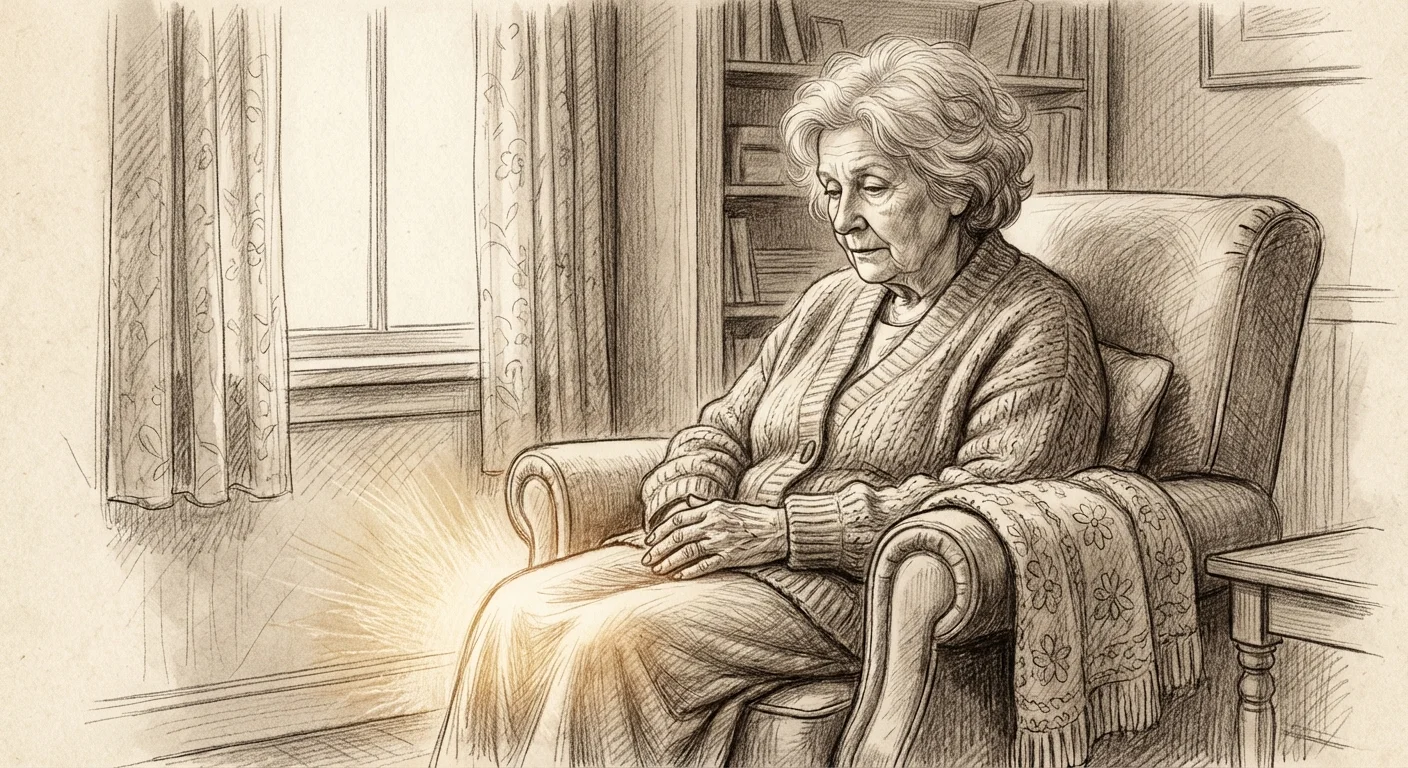
For Caregivers: This Matters More Than You Think
If you’re watching a parent or loved one struggle with knee pain, you’re probably focused on the physical symptoms. But chronic joint pain creates a cascade of mental health consequences that often go unrecognized:
- Depression affects up to 50% of chronic pain patients
- Social isolation increases mortality risk by 26%
- Cognitive decline accelerates with reduced mobility
- Anxiety about falling limits independence further
Addressing knee pain isn’t just about comfort—it’s about mental health and longevity.
The Pain-Mind Connection
How Chronic Pain Affects the Brain
Persistent pain changes the brain—literally:
What Happens Physically
- Chronic pain alters brain structure
- Changes in gray matter volume
- Disrupted neurotransmitter balance
- Sleep architecture changes
- Increased cortisol (stress hormone)
What This Looks Like
- Mood changes and irritability
- Difficulty concentrating
- Memory problems
- Sleep disturbances
- Withdrawal from activities
The Vicious Cycle
Pain → Less Activity → Depression → More Pain → Even Less Activity
This cycle accelerates rapidly in older adults:
- Knee pain limits walking → Less exercise
- Less exercise → Muscle weakness and weight gain
- Weakness and weight → More joint stress
- More joint stress → More pain
- More pain → Social isolation
- Isolation → Depression
- Depression → Less motivation to manage pain
The Statistics Caregivers Need to Know
Depression and Chronic Pain
- 40-50% of people with chronic pain have depression
- Depression is 3x more common in those with chronic pain
- Pain medications are less effective when depression is present
- Treatment outcomes improve when mental health is addressed
Isolation and Mortality
- Social isolation increases mortality risk by 26%
- Loneliness is as harmful as smoking 15 cigarettes per day
- Isolated seniors have 50% higher dementia risk
- 25% of adults 65+ avoid leaving home due to pain or fall fear
Cognitive Impact
- Chronic pain is associated with accelerated cognitive decline
- Reduced mobility linked to faster memory loss
- Walking fewer than 0.5 miles/day increases dementia risk
Signs Your Loved One May Be Struggling
Watch for these warning signs:
Physical Signs
- Declining personal hygiene
- Weight changes (gain or loss)
- Less movement than before
- Visible grimacing or guarding
- Changes in sleep patterns
Emotional Signs
- Withdrawal from family gatherings
- Loss of interest in hobbies
- Increased irritability
- Expressing hopelessness
- Avoiding talking about the future
Social Signs
- Turning down invitations
- Stopping regular activities (church, clubs)
- Less contact with friends
- Reluctance to leave the house
- Over-dependence on one caregiver
How to Start the Conversation
What to Say
Instead of: “You need to do something about your knee.”
Try: “I’ve noticed you haven’t been to garden club lately. I miss hearing about your plants. Is the knee pain making it hard to go?”
Instead of: “You should see a doctor.”
Try: “I read that there are some new treatments for knee pain that are covered by Medicare. Would you be interested in learning more together?”
Instead of: “You’re going to get depressed sitting around all day.”
Try: “I know the pain has been limiting what you can do. How are you feeling about everything? I’m here to listen.”
What to Listen For
Pay attention to statements like:
- “What’s the point?”
- “I’m just a burden”
- “I used to be able to…”
- “It’s not worth trying”
- “Things won’t get better”
These may indicate depression that needs professional attention.
Treatment Options Worth Exploring
For the Physical Pain
Viscosupplementation (Gel Injections)
- Medicare-covered since 1997
- Provides 6-12 months of relief for many
- Quick procedure (30-45 minutes)
- No extended recovery time
- Can restore mobility
Physical Therapy
- Builds strength and confidence
- Covered by Medicare
- Can be done at home if needed
- Addresses fear of falling
For the Mental Health
- Individual counseling or therapy
- Support groups for chronic pain
- Medication if indicated
- Social reintegration activities
- Family involvement in care
The Caregiver’s Role
What You Can Do
-
Offer to research options together
- Look up providers
- Learn about Medicare coverage
- Help with scheduling
-
Accompany them to appointments
- Take notes
- Ask questions they might forget
- Provide emotional support
-
Help maintain social connections
- Arrange transportation
- Facilitate video calls
- Plan accessible activities
-
Watch for mental health changes
- Keep notes on mood changes
- Communicate with healthcare providers
- Don’t ignore warning signs
-
Take care of yourself
- Caregiver burnout is real
- Seek support groups
- Accept help from others
Breaking the Cycle
The good news: treating knee pain can reverse much of the mental health impact.
When pain is reduced:
- Activity levels increase
- Social connections resume
- Mood often improves naturally
- Confidence returns
- Independence is restored
Getting help for the knee may be the most important thing you do for their mental health.
Resources for Your Parent
Knee Health Score Quiz
A 3-minute quiz to help determine if they may be a candidate for Medicare-covered gel therapy.
Take the Quiz Together
Additional Resources
- Medicare Helpline: 1-800-MEDICARE
- National Alliance on Mental Illness (NAMI): 1-800-950-NAMI
- Eldercare Locator: 1-800-677-1116
- Medicare Coverage Checklist - Verify coverage for treatment
Caregiver Resources
Get weekly tips for supporting loved ones with chronic pain, including treatment updates and mental health resources.
Join 10,000+ readers. No spam.
Enjoyed this article?
Get more insights like this delivered to your inbox weekly.
Join 10,000+ readers. No spam.