Stop Asking for Help: Reclaim Your Independence in 6 Weeks
Tired of depending on others because of knee pain? Learn how patients get back to daily activities without surgery, often within weeks.
By Joint Pain Authority Team
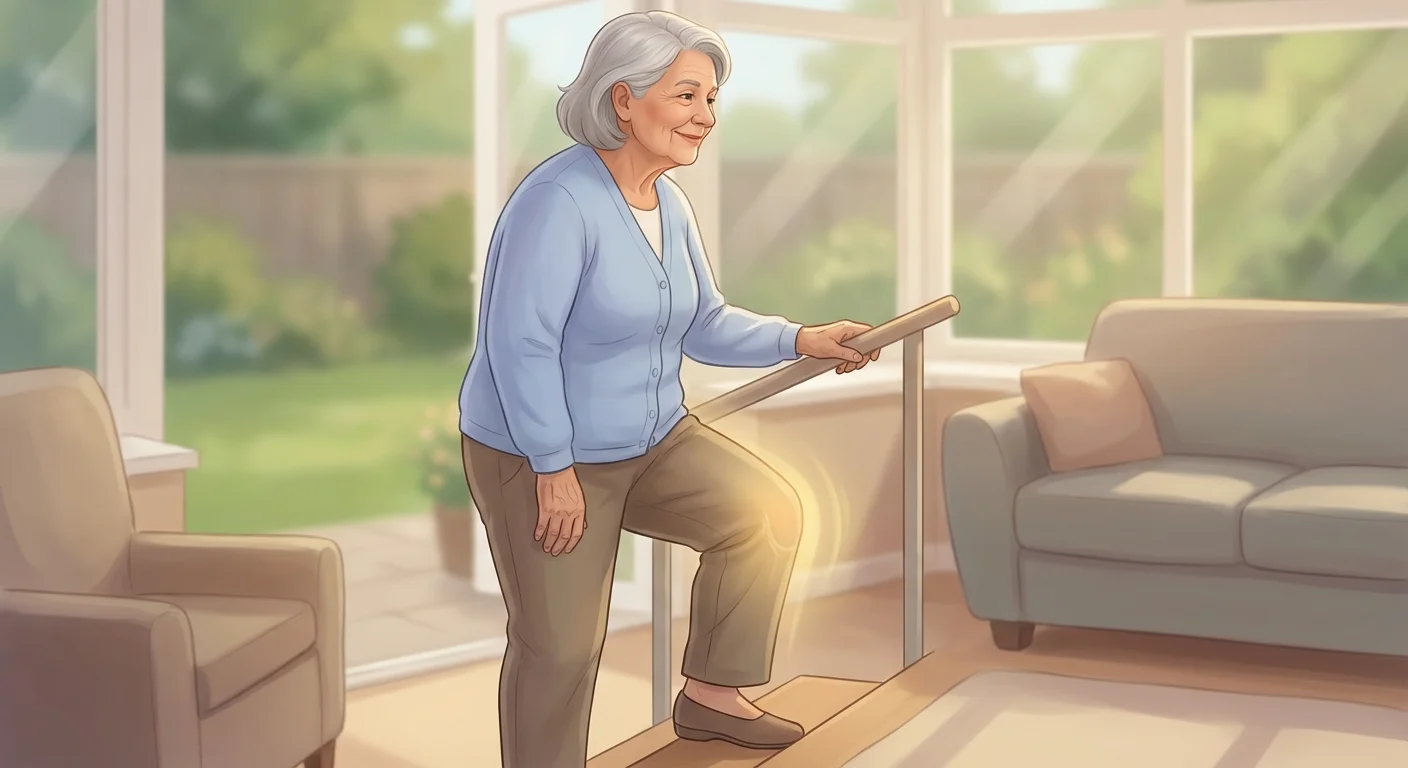
What Independence Really Means
For most people with knee pain, it’s not about running marathons. It’s about the everyday things:
- Getting out of a chair without help
- Walking to the mailbox
- Climbing stairs in your own home
- Going grocery shopping
- Playing with grandchildren
These aren’t luxuries—they’re the foundation of living independently.
The Real Cost of Knee Pain
More Than Physical
Chronic knee pain affects more than your joints. It impacts:
What You Lose
- Ability to run simple errands
- Confidence in walking safely
- Freedom to visit friends and family
- Control over your daily schedule
- The identity of being self-sufficient
What Creeps In
- Dependence on family members
- Isolation from activities you love
- Fear of falling
- Depression and anxiety
- Feeling like a burden
The Statistics Are Sobering
- 68% of knee OA patients report difficulty with daily activities
- 40% have modified their homes due to mobility issues
- 25% avoid leaving home because of pain or fall risk
- Social isolation increases mortality risk by 26%
The Path Back to Independence
Week 1-2: Breaking the Pain Cycle
The first step is getting pain under control. This might include:
Viscosupplementation (Gel Injections)
- Often provides noticeable relief within 2-3 weeks
- Medicare-covered for knee osteoarthritis
- Can last 6-12 months
- Most effective with imaging-guided delivery
Physical Therapy
- Begins rebuilding strength and confidence
- Teaches proper movement patterns
- Addresses muscle imbalances
Week 3-4: Rebuilding Movement
With pain reduced, you can start reclaiming activities:
- Longer walks (even 5-10 minutes more makes a difference)
- Practicing stairs with proper technique
- Standing activities like cooking or light housework
- Confidence-building exercises
Week 5-6: Returning to Life
Many patients report significant improvements by week 6:
- Walking without a cane or walker
- Going up and down stairs normally
- Running their own errands
- Participating in social activities again
Real Recovery Stories
”I Stopped Asking My Daughter for Help”
“For two years, my daughter had to drive me everywhere. I couldn’t get into her car without wincing, couldn’t walk through the grocery store. After my gel injection series, I was back to driving myself within three weeks. It sounds small, but going to the store alone felt like getting my life back.”
— Medicare patient, age 72
”My Grandkids Were Growing Up Without Me”
“I couldn’t get down on the floor to play with my grandkids. I watched from the couch while they played. Now I’m on the floor with them, helping build Lego sets. That’s what matters.”
— Medicare patient, age 68
The Independence Checklist
What does independence look like to you? Check what matters most:
- Walking without assistance
- Climbing stairs in my home
- Getting in and out of a car easily
- Shopping for groceries
- Attending church or community events
- Visiting friends and family
- Cooking my own meals
- Doing light housework
- Playing with grandchildren
- Enjoying hobbies (gardening, golf, etc.)
These goals are achievable for many patients with the right treatment approach.
Why Some Treatments Work Better Than Others
The Precision Difference
Not all injections are created equal. The difference often comes down to accuracy:
| Factor | Standard Approach | Precision Approach |
|---|---|---|
| Injection accuracy | 70-80% | 100% (imaging-guided) |
| Time to relief | Variable | Consistent |
| Duration of relief | Shorter | Longer |
| Repeat procedures | More frequent | Less frequent |
The Comprehensive Approach
The most successful patients combine:
- Accurate treatment delivery - Imaging-guided when possible
- Physical therapy - Rebuilds strength and function
- Activity modification - Smart choices about what you do
- Assistive devices if needed - Bracing, proper footwear
Barriers to Getting Help
Common Concerns
“Surgery is my only option” Not true. Many patients with even severe arthritis respond to conservative treatment.
“I tried injections before and they didn’t work” Were they imaging-guided? Many “failed” injections simply missed the joint.
“I can’t afford treatment” Medicare has covered viscosupplementation since 1997. Many treatments have minimal out-of-pocket costs.
“I’ll just deal with it” The research shows inactivity makes everything worse—joint health, mental health, and overall mortality.
Your Next Step
You don’t have to accept dependency. Many patients regain significant independence within 6 weeks of starting appropriate treatment.
Take our 3-minute Knee Health Score Quiz to find out if you may be a candidate for Medicare-covered gel therapy.
Take the Quiz
Weekly Tips for Independent Living
Get evidence-based insights on managing joint pain while maintaining your independence and quality of life.
Join 10,000+ readers. No spam.
Enjoyed this article?
Get more insights like this delivered to your inbox weekly.
Join 10,000+ readers. No spam.