Anti-Inflammatory Diet Plan for Arthritis: A Weekly Guide
Follow this Mediterranean-style anti-inflammatory diet plan for arthritis. Includes a 7-day meal plan, shopping list, and practical tips for joint pain relief.
By Joint Pain Authority Team
Key Takeaways
- The Mediterranean diet has the strongest research support for reducing arthritis pain
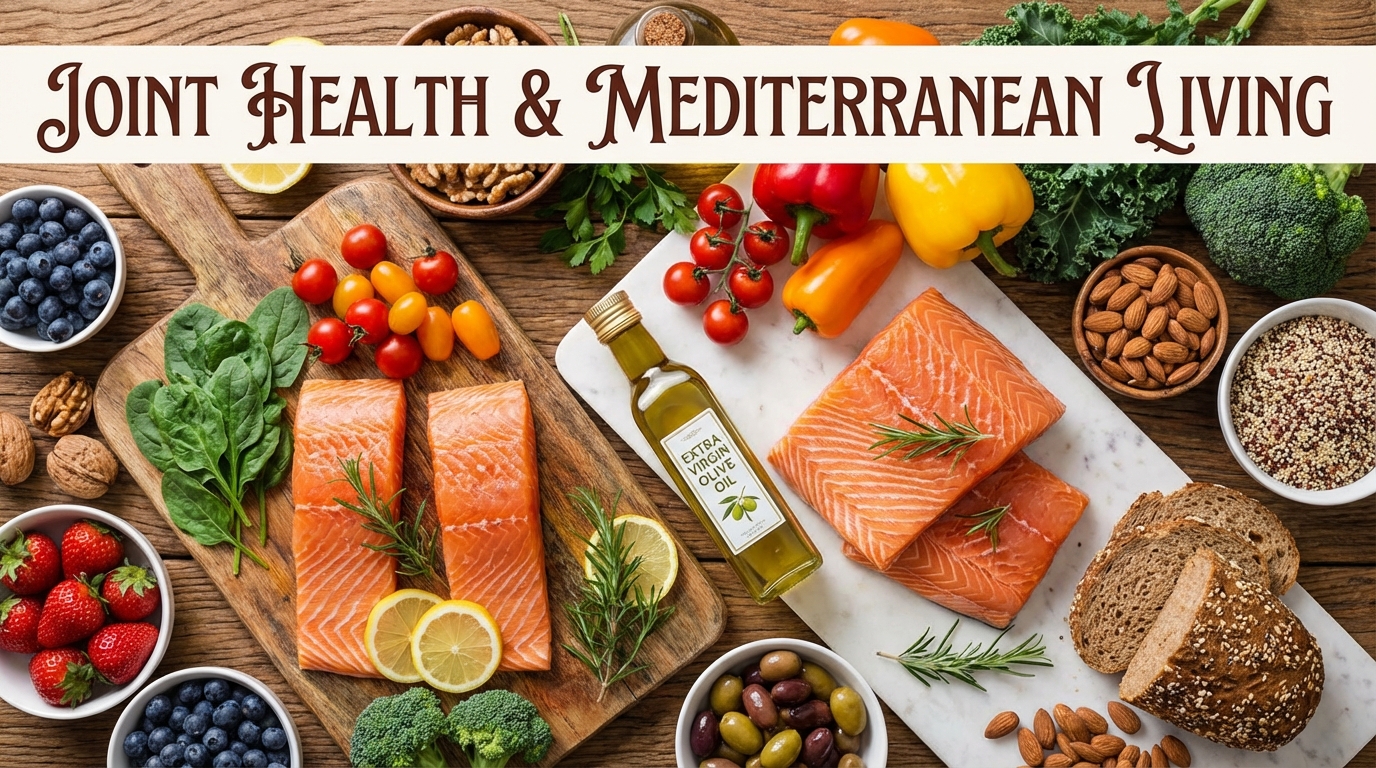
- This eating pattern emphasizes fish, vegetables, olive oil, and whole grains
- A structured weekly meal plan removes guesswork and builds lasting habits
- Many people notice reduced joint pain and stiffness within 4-6 weeks
- Small, gradual changes work better than overhauling your entire diet at once
If you have arthritis, what you eat each day can either fuel inflammation or fight it. The Mediterranean diet—rich in colorful vegetables, fatty fish, healthy oils, and whole grains—is the most studied anti-inflammatory eating pattern, and the evidence for joint health is impressive.
A study in Arthritis Research & Therapy found that rheumatoid arthritis patients who followed a Mediterranean diet for 12 weeks had significant reductions in pain and improved physical function. Similar benefits have been shown for knee osteoarthritis, hip arthritis, and psoriatic arthritis.
This guide gives you a practical 7-day meal plan, a simple shopping list, and tips to make this way of eating stick.
The Anti-Inflammatory Diet Principles
Before the meal plan, here are the core principles to follow:
Eat daily:
- Colorful vegetables (aim for 5+ servings)
- Fruits, especially berries and cherries
- Whole grains (oats, brown rice, quinoa, whole wheat)
- Extra virgin olive oil as your primary cooking fat
- Nuts and seeds (a small handful)
Eat 2-3 times per week:
- Fatty fish (salmon, sardines, mackerel)
- Legumes (beans, lentils, chickpeas)
Eat in moderation:
- Poultry, eggs, and low-fat dairy
- Red wine (optional, no more than one glass)
Minimize or avoid:
- Processed meats and red meat
- Refined sugar and white flour products
- Fried foods and fast food
- Sugary drinks and excess alcohol
Your 7-Day Anti-Inflammatory Meal Plan
Monday
Breakfast: Steel-cut oatmeal with blueberries, ground flaxseed, and a drizzle of honey. Green tea.
Lunch: Large spinach salad with canned wild salmon, cherry tomatoes, cucumbers, avocado, and olive oil-lemon dressing. Whole grain crackers.
Dinner: Baked chicken thighs with turmeric and garlic. Roasted broccoli and sweet potatoes with olive oil. Brown rice.
Snacks: Greek yogurt with walnuts. Apple slices.
Tuesday
Breakfast: Scrambled eggs with wilted spinach and diced tomatoes. Whole grain toast with avocado. Coffee or tea.
Lunch: Lentil soup with carrots, celery, and kale. Side of whole grain bread dipped in olive oil.
Dinner: Grilled salmon with ginger-soy glaze. Stir-fried bok choy and snap peas. Quinoa.
Snacks: Hummus with carrot and bell pepper sticks. Handful of almonds.
Wednesday
Breakfast: Smoothie with frozen berries, banana, Greek yogurt, ground flaxseed, and a handful of spinach.
Lunch: Whole wheat wrap with grilled chicken, mixed greens, roasted red peppers, and olive oil drizzle.
Dinner: White bean and vegetable stew with rosemary and thyme. Side salad with mixed greens and olive oil dressing.
Snacks: Tart cherry juice (8 oz, unsweetened). Trail mix with walnuts, almonds, and dried cranberries.
Thursday
Breakfast: Whole grain toast with almond butter and sliced banana. Green tea.
Lunch: Mediterranean grain bowl with quinoa, chickpeas, cucumber, tomatoes, red onion, feta cheese, and olive oil-herb dressing.
Dinner: Baked mackerel with lemon and herbs. Roasted Brussels sprouts and cauliflower. Whole wheat couscous.
Snacks: Greek yogurt with honey and berries. Orange slices.
Friday
Breakfast: Overnight oats with chia seeds, walnuts, sliced strawberries, and a splash of low-fat milk.
Lunch: Large salad with mixed greens, sardines, white beans, sun-dried tomatoes, olives, and olive oil dressing.
Dinner: Turkey and vegetable stir-fry with turmeric, ginger, garlic, and bell peppers. Brown rice.
Snacks: Celery with almond butter. Handful of grapes.
Saturday
Breakfast: Vegetable omelet with mushrooms, peppers, onions, and spinach. Side of mixed berries.
Lunch: Minestrone soup (homemade or low-sodium) with white beans. Whole grain roll.
Dinner: Herb-crusted baked salmon. Roasted asparagus and cherry tomatoes with olive oil and balsamic. Small baked sweet potato.
Snacks: Edamame. Walnuts and dark chocolate (1 small square).
Sunday
Breakfast: Whole grain pancakes topped with fresh blueberries and a drizzle of maple syrup. Side of turkey sausage.
Lunch: Leftover salmon mixed into a whole grain pasta salad with olive oil, arugula, cherry tomatoes, and capers.
Dinner: Slow-cooker chicken with artichoke hearts, olives, sun-dried tomatoes, and garlic over brown rice.
Snacks: Greek yogurt parfait with berries and granola. Herbal tea.
Weekly Shopping List
Produce
- Spinach, kale, and mixed greens
- Broccoli, Brussels sprouts, cauliflower, asparagus
- Sweet potatoes, carrots, celery
- Cherry tomatoes, cucumbers, bell peppers
- Avocados, lemons
- Blueberries, strawberries, bananas, apples, oranges, grapes
- Fresh ginger and garlic
- Fresh herbs (rosemary, thyme, basil)
Protein
- Wild salmon fillets (2)
- Canned wild salmon (1 can)
- Canned sardines (1 can)
- Mackerel fillets (2)
- Chicken thighs and breasts
- Ground turkey
- Eggs (1 dozen)
Pantry
- Extra virgin olive oil
- Whole grain bread and wraps
- Brown rice, quinoa, oats (steel-cut and rolled)
- Canned white beans, chickpeas, lentils
- Walnuts, almonds, ground flaxseed, chia seeds
- Almond butter, hummus
- Turmeric, black pepper, ginger (ground)
- Low-sodium chicken or vegetable broth
Dairy
- Greek yogurt (plain, low-fat)
- Low-fat milk
- Feta cheese (small amount)
Beverages
- Green tea
- Tart cherry juice (unsweetened)
- Herbal teas
Tips for Making It Stick
Prep on Sunday. Wash and chop vegetables, cook a batch of grains, and portion out nuts and snacks for the week. Thirty minutes of prep saves hours of daily decisions.
Start with swaps, not overhauls. Replace one inflammatory food at a time. Swap soda for sparkling water with lemon. Use olive oil instead of butter. Add a handful of berries to breakfast.
Keep it simple. You don’t need elaborate recipes. Baked fish with roasted vegetables and a grain is a complete anti-inflammatory meal that takes 30 minutes.
Batch cook proteins. Grill extra chicken or bake extra salmon on the weekend. Use leftovers in salads, wraps, and grain bowls throughout the week.
Stock your freezer. Frozen berries, vegetables, and fish fillets are just as nutritious as fresh and far more convenient. They also prevent food waste.
How This Diet Complements Joint Treatment
An anti-inflammatory diet works alongside medical treatments for arthritis. For people taking oral medications for joint pain, reducing dietary inflammation may allow better symptom control. Some patients find they can work with their doctor to reduce medication doses over time.
If you’re using joint supplements like glucosamine or fish oil, a Mediterranean diet creates a supportive environment for those supplements to work. You’re fighting inflammation from multiple angles.
People with fibromyalgia may also benefit, as the anti-inflammatory and antioxidant-rich foods in this plan help address the systemic inflammation that contributes to widespread pain.
What to Expect
Weeks 1-2: You may notice improved energy and digestion as your body adjusts to more whole foods and less processed food.
Weeks 3-4: Some people begin to notice less morning stiffness and slightly reduced joint pain.
Weeks 6-12: This is where the real benefits appear. Inflammatory markers decrease, and many people report meaningful pain reduction and improved mobility.
Long-term: The Mediterranean diet is not a short-term fix. It’s a sustainable way of eating that continues to protect your joints over months and years.
Frequently Asked Questions
Is this diet expensive?
It can be affordable with planning. Canned fish, frozen vegetables, dried beans, and oats are inexpensive staples. Buy seasonal produce and use your freezer to reduce waste. The cost of processed snacks and fast food often exceeds what you’d spend on whole ingredients.
Can I follow this plan if I have diabetes?
Yes. The Mediterranean diet is also one of the best eating patterns for blood sugar control. The emphasis on whole grains, vegetables, and healthy fats helps stabilize blood sugar while reducing inflammation. Adjust portion sizes of grains and fruits as your doctor recommends.
What if I don’t like fish?
You can substitute with chicken or turkey for protein, but you’ll miss the anti-inflammatory omega-3s. Consider a fish oil supplement (1,000-2,000 mg EPA+DHA daily) to fill that gap. Walnuts and flaxseeds provide some plant-based omega-3s as well.
How strictly do I need to follow the meal plan?
Use it as a framework, not a rigid prescription. The specific meals matter less than the overall pattern. As long as you’re eating plenty of vegetables, healthy fats, fish, and whole grains while limiting processed foods and sugar, you’re on the right track.
Can this diet help me lose weight too?
Absolutely. The Mediterranean diet naturally supports weight loss because it’s rich in fiber, protein, and healthy fats that keep you full. Even modest weight loss takes pressure off your joints—every pound lost removes about 4 pounds of force from your knees.
The information in this article is for educational purposes only and is not intended as medical advice. Always consult with your healthcare provider before making significant dietary changes, especially if you have existing health conditions or take medications.
Last medically reviewed: February 2026
Enjoyed this article?
Get more insights like this delivered to your inbox weekly.
Join 10,000+ readers. No spam.