Back to Gardening After Gel Shots
A typical patient journey from grade 3 knee OA to gardening again. Learn how gel shots helped restore function after PT and cortisone fell short.
By Joint Pain Authority Team
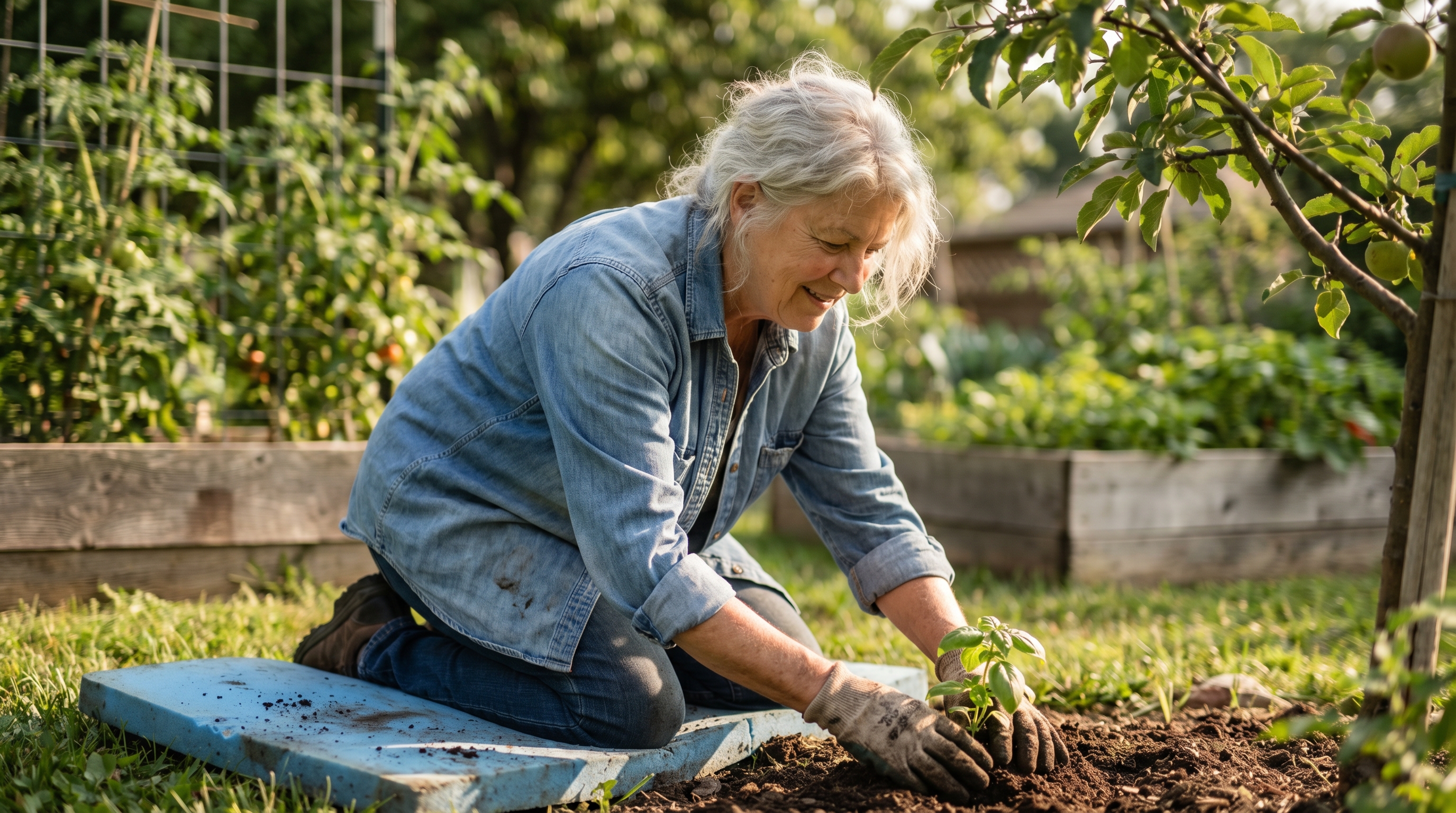
A Story Many Gardeners Know
Many patients like the one described here share a similar path: years of worsening knee pain, treatments that stop working, and the fear that favorite activities are gone for good.
This composite story reflects a journey we hear about often from patients with grade 3 knee osteoarthritis who find relief through viscosupplementation.
Individual results vary. This is not a guarantee of outcomes.
The Patient Profile
Picture a 72-year-old woman — let’s call her Dorothy — who spent 40 years tending her backyard garden. Roses, tomatoes, herbs, and perennial beds filled her half-acre lot. Gardening was more than a hobby. It was her daily exercise, her stress relief, and her connection to the seasons.
Then knee osteoarthritis changed everything.
How It Started
Like many patients in their late 60s, Dorothy first noticed stiffness after long days in the garden. Getting up from kneeling became harder. Mornings brought an ache that took 20 minutes to loosen.
Over two years, the discomfort turned into real pain. X-rays showed grade 3 knee osteoarthritis — significant cartilage loss with bone spurs, though not yet bone-on-bone.
Her doctor laid out a treatment plan. Physical therapy first.
The Treatment Journey
Physical Therapy: A Good Start
Physical therapy helped build strength around Dorothy’s knee. The quadriceps exercises improved stability. Range of motion work kept the joint from stiffening further.
But PT has limits when cartilage loss is significant. After eight weeks of sessions, Dorothy could walk more comfortably on flat ground. Kneeling and squatting — the bread and butter of gardening — were still painful.
She rated her improvement at about 30%. Better, but not back to the garden.
Cortisone Injections: Temporary Relief
Her orthopedist suggested cortisone injections. The first one provided noticeable relief within days. For about three months, Dorothy could manage light gardening tasks.
When the pain returned, she got a second injection. This time, the relief lasted only six weeks.
Research shows this pattern is common. A 2019 study in the Journal of the American Medical Association found that repeated cortisone injections may accelerate cartilage loss. Dorothy’s doctor was reluctant to continue.
The Gel Shot Option
Dorothy’s doctor discussed viscosupplementation — hyaluronic acid injections, commonly called gel shots. The treatment works by supplementing the joint’s natural lubricant, which breaks down in arthritic knees.
Key points the doctor covered:
- Medicare covers the procedure for documented knee osteoarthritis
- Relief typically develops over 2-4 weeks
- Benefits can last 6-12 months
- The injection itself takes about 15-30 minutes
- Imaging guidance improves accuracy
Dorothy decided to try it.
The Procedure and Recovery
What the Injection Was Like
Many patients describe the gel injection as less uncomfortable than they expected. The doctor used imaging guidance to place the needle precisely in the joint space. There was a brief pinch, some pressure, and it was done.
Dorothy drove herself home. She iced her knee that evening and took it easy for two days, as her doctor recommended.
The First Few Weeks
Days 1-3 brought some swelling and a feeling of fullness in the knee. This is normal and typically resolves quickly.
By week two, Dorothy noticed less morning stiffness. The ache that usually set in after 10 minutes of standing seemed to hold off longer.
Week three was the turning point. She walked through her garden — really walked, not shuffled — for the first time in over a year.
Typical Recovery Timeline
| Timeframe | What to Expect |
|---|---|
| Days 1-3 | Mild swelling, rest recommended |
| Weeks 1-2 | Gradual stiffness improvement |
| Weeks 3-4 | Noticeable pain reduction for responders |
| Weeks 5-6 | Maximum benefit for most patients |
| Months 6-12 | Duration of relief varies by patient |
Getting Back to the Garden
A Gradual Return
Dorothy didn’t rush back to full-day gardening sessions. She started with 20-minute sessions, using a garden kneeler with handles for support. She focused on container plants and raised beds first, saving ground-level work for later.
By week six, she was deadheading roses, pulling weeds, and planting new seedlings. The kneeling still required care, but the sharp pain that had stopped her cold was manageable now.
What Changed
Before treatment, Dorothy rated her knee pain at 7 out of 10 during gardening activities. Six weeks after the gel injection, she put it at a 3.
She described it this way: “The pain went from being the loudest voice in the room to background noise I could mostly ignore.”
That’s a realistic outcome for patients who respond well. Not pain-free. Not a cure. But enough improvement to do the things that matter.
Get Back to What You Love
Weekly tips on managing joint pain and staying active. Treatment updates, exercises, and real patient insights.
Join 10,000+ readers. No spam.
What Made the Difference
Several factors contributed to Dorothy’s positive outcome:
Grade 3 (not grade 4) arthritis. Gel injections tend to work best for mild to moderate OA. Patients with severe bone-on-bone arthritis may see less benefit.
Imaging-guided injection. Studies show that injections placed with fluoroscopic or ultrasound guidance have higher accuracy rates than blind injections.
Continued PT exercises. Dorothy kept doing her strengthening exercises at home. The combination of reduced pain plus stronger supporting muscles made a bigger difference than either alone.
Realistic expectations. She wasn’t looking for a cure. She wanted to garden again. That specific, achievable goal helped her appreciate the improvement she got.
Important Considerations
Not every patient will have Dorothy’s experience. Here are realities to keep in mind:
- About 60-70% of patients respond to viscosupplementation. Some don’t get meaningful relief.
- Results are temporary. When relief wears off (typically 6-12 months), patients may need repeat treatment.
- Gel shots are not a cure for osteoarthritis. They manage symptoms while the underlying condition persists.
- Some patients eventually need surgery. Viscosupplementation can delay but not always prevent knee replacement.
If you’re considering this treatment, have an honest conversation with your doctor about your specific arthritis severity, your goals, and your realistic options.
Frequently Asked Questions
Can I garden the day after a gel injection?
Most doctors recommend avoiding strenuous activity, including gardening, for 48 hours after the injection. Light walking is usually fine. Plan to ease back into gardening over 2-4 weeks as the treatment takes effect.
How much do gel shots cost with Medicare?
Medicare Part B covers viscosupplementation for documented knee osteoarthritis. Typical out-of-pocket costs range from $100-$300 per injection series after Medicare coverage. Supplemental insurance may reduce this further.
Are gel shots better than cortisone for long-term use?
The two treatments work differently. Cortisone reduces inflammation quickly but may lose effectiveness with repeated use. Gel injections supplement joint lubrication and can be repeated without the same concerns about cartilage damage from overuse. Your doctor can help determine which is appropriate for your situation.
What if gel injections don’t work for me?
If viscosupplementation doesn’t provide adequate relief, other options include physical therapy modifications, different injection types (such as PRP), bracing, or surgical consultation. Not responding to gel shots doesn’t mean you’re out of options.
Can I kneel safely after gel injections?
Once the initial swelling resolves (usually 3-5 days), there are no restrictions on kneeling. Using a garden kneeler with handles and taking breaks can reduce stress on the joint. Many patients find kneeling much more comfortable once the treatment takes effect.
This story is a composite narrative based on common patient experiences. It is not based on a single real patient. Individual results vary significantly. Always consult a qualified healthcare provider about your specific condition and treatment options. This article is for informational purposes only and does not constitute medical advice.
Last reviewed: March 2026
Topics
Enjoyed this article?
Get more insights like this delivered to your inbox weekly.
Join 10,000+ readers. No spam.