Best Exercises for Hip Arthritis: Evidence-Based Guide
Evidence-based guide to the best exercises for hip arthritis: aquatic, chair, walking, stretching, and strength exercises ranked by research. Includes what to avoid.
By Joint Pain Authority Team

Quick Answer
Exercise is one of the most effective treatments for hip arthritis — as beneficial as many medications and with fewer side effects. Aquatic exercise has the strongest evidence (effect size d=1.12 for pain reduction), followed by strengthening exercises (d=0.64) and flexibility/stretching (d=0.49). The key is choosing the right type and intensity for your current pain level, then building up gradually.
Why Exercise Is Essential for Hip Arthritis
If your hip hurts, the last thing you might want to do is move it. But inactivity is one of the worst things for an arthritic hip. Research consistently shows that people who exercise regularly have less pain, better mobility, and delay or avoid hip replacement surgery.
A 2024 Cochrane review of 44 randomized trials involving 4,224 patients with hip osteoarthritis concluded that land-based exercise reduces pain by an average of 8 points on a 100-point scale and improves physical function by 7 points. Aquatic exercise showed even larger benefits.
Here is what happens when you exercise with hip arthritis:
- Stronger muscles absorb more shock — The gluteal, quadriceps, and hamstring muscles act as your hip joint’s shock absorbers. Stronger muscles mean less force on damaged cartilage.
- Better range of motion — Movement keeps the hip capsule and surrounding tissues flexible. Without movement, the joint stiffens and loses range.
- Improved cartilage health — Moderate loading actually nourishes cartilage by pressing synovial fluid (joint lubricant) into and out of the cartilage surface.
- Weight management — Every pound of body weight creates about 3 pounds of force on the hip during walking. Exercise helps maintain a healthy weight.
- Natural pain relief — Exercise stimulates endorphin release and reduces the central sensitization that amplifies chronic pain.
Exercise Types Ranked by Evidence
Not all exercises produce equal results for hip arthritis. Here is how different types compare based on published meta-analyses and systematic reviews.
| Exercise Type | Effect Size (Pain) | Evidence Quality | Best For |
|---|---|---|---|
| Aquatic exercise | d=1.12 (large) | High | Severe OA, cannot tolerate land exercise |
| Strengthening | d=0.64 (moderate) | High | Building muscle support around the hip |
| Flexibility/stretching | d=0.49 (small-moderate) | Moderate | Morning stiffness, range of motion |
| Walking programs | d=0.44 (small-moderate) | Moderate | General conditioning, weight management |
| Tai chi | d=0.49 (small-moderate) | Moderate | Balance, flexibility, fall prevention |
| Yoga | d=0.42 (small) | Low-Moderate | Flexibility, mindfulness, gentle strengthening |
| Cycling | d=0.38 (small) | Moderate | Cardiovascular fitness, low impact |
Effect size: d=0.2 is small, 0.5 is moderate, 0.8 is large. The aquatic exercise effect of 1.12 is notably large.
1. Aquatic Exercise (Strongest Evidence)
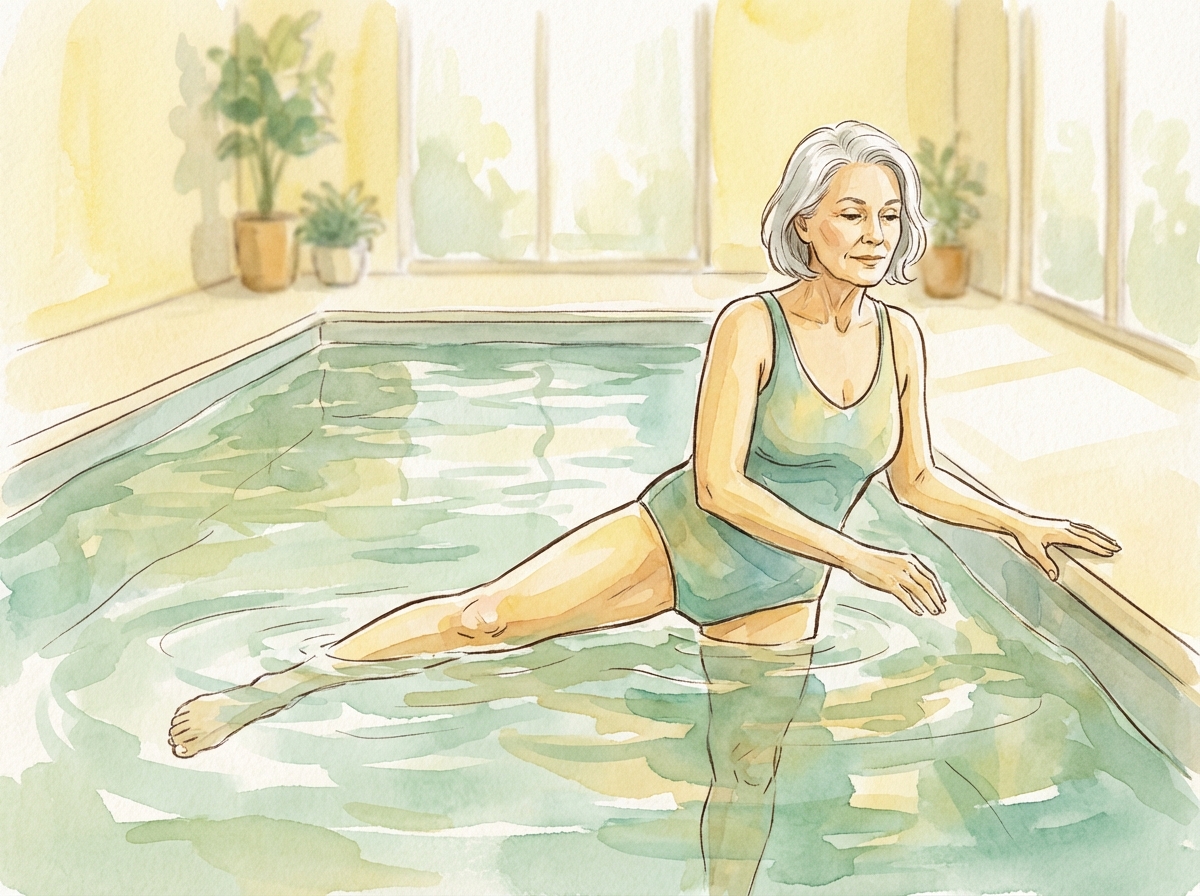
Water exercise is the single most effective exercise type for hip arthritis. A meta-analysis of 13 randomized trials published in Physical Therapy found an effect size of 1.12 for pain reduction — larger than any land-based exercise and approaching the effect of some medications.
Why it works so well:
- Buoyancy reduces the weight on your hip by up to 50-90% depending on water depth
- Warm water (83-88 degrees F) relaxes muscles and reduces spasm
- Water resistance provides natural strengthening without weights
- Hydrostatic pressure reduces swelling
For a complete pool exercise routine, see our detailed aquatic exercises for hip arthritis guide.
Getting started: Look for Arthritis Foundation Aquatic Program classes at local YMCAs, senior centers, or hospital wellness programs. Many are free or covered by Medicare Advantage wellness benefits.
2. Strengthening Exercises
Muscle weakness around the hip — particularly the gluteus medius, gluteus maximus, and quadriceps — is one of the primary drivers of hip arthritis pain. A 2023 study in Osteoarthritis and Cartilage found that patients with the weakest hip abductors had 40% more pain than those with strong hip muscles.
Key exercises:
Standing hip abduction (gluteus medius):
- Stand holding a chair or counter for balance
- Slowly lift your right leg out to the side, keeping your toes pointing forward
- Lift 6-12 inches — you should feel the muscle on the outside of your hip working
- Hold 2-3 seconds, lower slowly
- 10-15 reps per side, 2-3 sets
Bridge (gluteus maximus):
- Lie on your back with knees bent, feet flat on the floor
- Squeeze your buttocks and lift your hips until your body forms a straight line from shoulders to knees
- Hold 5 seconds at the top
- Lower slowly
- 10-15 reps, 2-3 sets
Seated knee extension (quadriceps):
- Sit in a sturdy chair with feet flat on the floor
- Slowly straighten one leg, holding it parallel to the floor for 3-5 seconds
- Lower slowly
- 10-15 reps per side, 2-3 sets
Clamshell (hip external rotators):
- Lie on your side with knees bent at 45 degrees, feet together
- Keeping feet touching, lift the top knee like opening a clamshell
- Hold 2-3 seconds, lower slowly
- 15 reps per side, 2-3 sets
3. Flexibility and Stretching
Hip arthritis progressively reduces range of motion, making daily activities like putting on socks and shoes, getting in and out of cars, and climbing stairs increasingly difficult. Regular stretching can slow this loss.
Key stretches:
Hip flexor stretch:
- Stand in a staggered stance, one foot forward
- Tuck your pelvis slightly under and shift your weight forward
- You should feel a gentle stretch in the front of the back hip
- Hold 20-30 seconds per side
Piriformis stretch:
- Sit in a chair and cross one ankle over the opposite knee
- Gently press down on the raised knee while sitting tall
- Hold 20-30 seconds per side
Hamstring stretch:
- Sit on the edge of a chair, extend one leg straight with heel on the floor
- Lean forward gently from the hips until you feel a stretch behind the thigh
- Hold 20-30 seconds per side
For a complete stretching routine, read our guide on stretching for hip arthritis.
4. Walking Programs
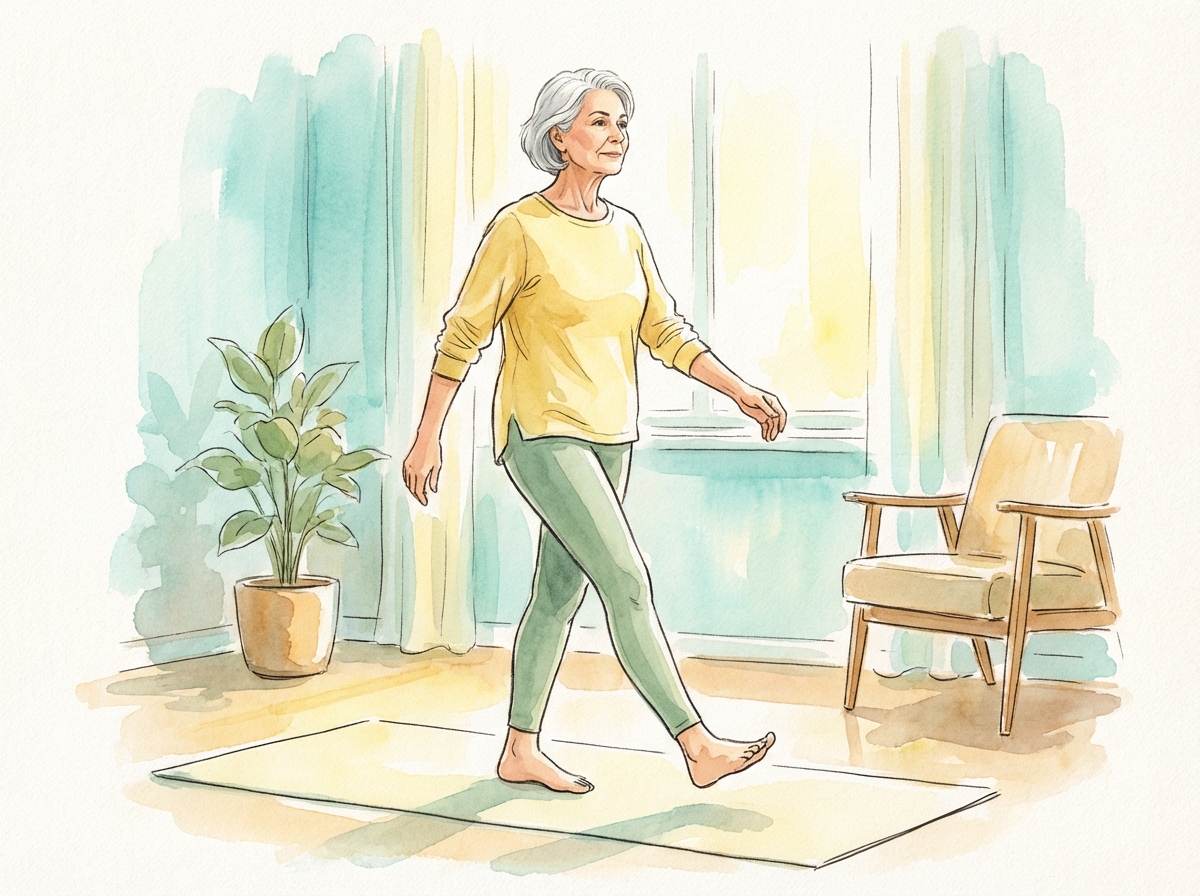
Walking is the most accessible exercise for hip arthritis and has solid evidence for improving pain and function. A randomized trial of 1,180 knee and hip arthritis patients published in Annals of Internal Medicine (2024) found that a structured walking program reduced pain by 18% over 12 months.
How to start:
- Begin with 10 minutes on flat ground at a comfortable pace
- Add 2-3 minutes per week
- Goal: 30 minutes, 5 days per week
- Walk on soft surfaces (grass, track) when possible to reduce impact
- Wear supportive, cushioned shoes
Read our guide on walking for hip arthritis for a complete progressive program.
5. Tai Chi
Tai chi combines slow, flowing movements with deep breathing and has moderate evidence for hip arthritis. A meta-analysis in BMC Musculoskeletal Disorders found significant improvements in pain (d=0.49), physical function, and balance. The balance benefit is particularly important for fall prevention in older adults with hip arthritis.
See our guide on tai chi for hip arthritis for beginner-friendly routines.
6. Chair Exercises
For people with severe hip arthritis who cannot comfortably stand for extended periods, seated exercises provide an excellent starting point. A study in Clinical Rehabilitation found that seated exercise programs improved hip strength and function comparably to standing programs in patients with severe OA.
Our complete chair exercises for hip arthritis guide includes 10 specific exercises with detailed instructions and modifications.
Get your free hip exercise plan
Printable weekly routines for hip arthritis, plus evidence-based tips for pain relief.
Join 10,000+ readers. No spam.
How to Create Your Weekly Exercise Plan
The ideal program combines multiple exercise types. Here is a sample week based on current guidelines from the American College of Rheumatology and Arthritis Foundation.
| Day | Activity | Duration | Focus |
|---|---|---|---|
| Monday | Strengthening exercises | 20-30 min | Hip abduction, bridges, clamshells |
| Tuesday | Walking | 20-30 min | Cardiovascular, weight management |
| Wednesday | Aquatic exercise or tai chi | 30-45 min | Pain relief, flexibility |
| Thursday | Rest or gentle stretching | 10-15 min | Recovery |
| Friday | Strengthening exercises | 20-30 min | Repeat Monday routine |
| Saturday | Walking or cycling | 20-30 min | Cardiovascular |
| Sunday | Rest or gentle stretching | 10-15 min | Recovery |
Total: 150 minutes of moderate activity per week — matching the recommendation from the Physical Activity Guidelines for Americans.
Progression Rules
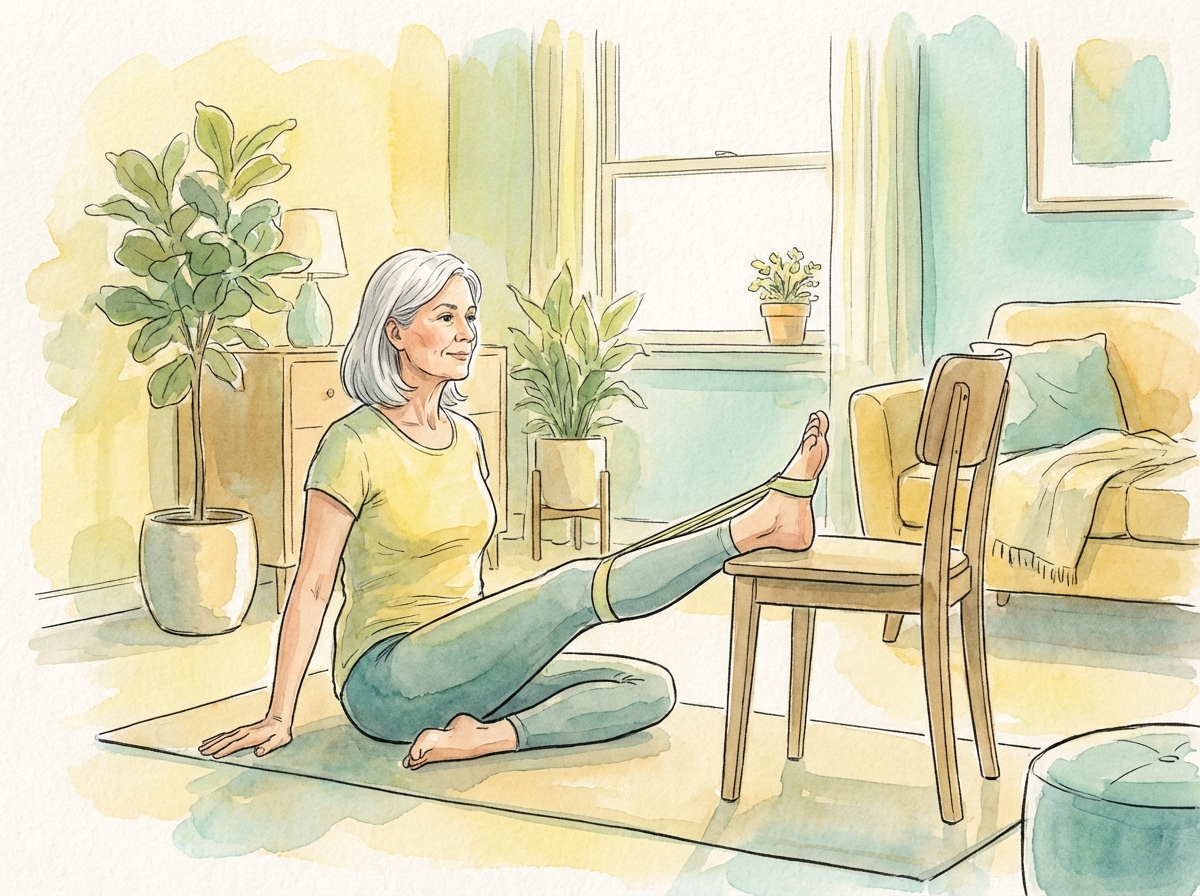
- Start at 50% of what you think you can do — This prevents flare-ups during the first 2 weeks
- Increase by no more than 10% per week — Add reps, duration, or resistance gradually
- Pain during exercise should stay below 4/10 — Some mild discomfort is acceptable; significant pain means dial back
- Pain should not be worse the morning after — If it is, you did too much. Reduce intensity at the next session.
- Bad days happen — On high-pain days, switch to gentle stretching or aquatic exercise instead of skipping entirely
Exercises to AVOID with Hip Arthritis
Not all exercises are safe for arthritic hips. Some movements create excessive force or place the joint in vulnerable positions.
High-impact activities:
- Running on hard surfaces
- Jumping or plyometrics
- High-impact aerobics
Deep range-of-motion movements:
- Deep squats (below 90 degrees)
- Deep lunges
- Full sit-ups (create hip flexor compression)
Heavy loading exercises:
- Heavy leg press
- Heavy deadlifts
- Loaded hip adductor/abductor machines at high weight
Repetitive high-force activities:
- Prolonged stair climbing as exercise
- Heavy hiking with steep downhill sections
For a complete guide on what to avoid and safer alternatives for each exercise, read our article on exercises to avoid with hip arthritis.
When Exercise Alone Is Not Enough
Exercise is powerful, but it has limits. Consider additional treatments if:
- You have done a consistent exercise program for 6-8 weeks without meaningful improvement
- Pain prevents you from doing even gentle exercises
- Your hip range of motion is severely limited (cannot put on shoes or socks)
- You have “bone-on-bone” arthritis on X-ray with constant pain
Options to discuss with your doctor include physical therapy (a therapist can design a customized program), hyaluronic acid injections to improve joint lubrication, cortisone injections to reduce inflammation, and ultimately hip replacement if conservative measures fail.
Frequently Asked Questions
How soon will I see results from hip exercises?
Most people notice improved stiffness and easier movement within 2-3 weeks. Meaningful pain reduction typically takes 6-8 weeks of consistent exercise (at least 3 sessions per week). Maximum benefit occurs at 12-16 weeks. The key is consistency — exercising once a week will not produce results.
Is it normal for my hip to hurt during exercise?
Mild discomfort (2-3 out of 10 on a pain scale) during exercise is acceptable and expected. Pain above 4/10 means you should modify the exercise or stop. If pain during exercise is sharp, sudden, or causes limping, stop immediately. Pain should return to your baseline level within 24 hours of exercising.
Can exercise actually reverse hip arthritis?
Exercise cannot regrow lost cartilage. However, it can strengthen the muscles that protect remaining cartilage, improve joint function, reduce pain, and slow the progression of arthritis. A 2022 study in Arthritis & Rheumatology found that patients who exercised regularly had 30% less cartilage loss over 4 years compared to sedentary patients.
What is the single best exercise for hip arthritis?
If you can only do one thing, pool walking in warm water provides the most benefit based on evidence (d=1.12 effect size). If pool access is not available, a combination of hip strengthening (bridges, clamshells, standing hip abduction) and walking provides excellent results.
Should I use a walking aid during exercise?
Yes, if it allows you to exercise with less pain. Using a cane on the opposite side of your arthritic hip reduces hip joint forces by up to 25%. There is no shame in using a walking aid — it allows you to stay active, which is far better for your hip than sitting still.
Can I exercise after a hip injection?
After a cortisone injection, rest for 24-48 hours, then gradually return to exercise. The injection may provide a “window” of reduced pain that allows you to exercise more effectively. After hyaluronic acid injections, similar recommendations apply. Your doctor will provide specific guidance.
Is cycling or walking better for hip arthritis?
Both are beneficial. Cycling produces less hip impact (the seat supports your weight) and may be more comfortable for people with moderate to severe hip OA. Walking is more functional and weight-bearing, which benefits bone density. The best choice is whichever one you will do consistently. Many people alternate between the two.
The information in this article is for educational purposes only and is not intended as medical advice. Always consult with your healthcare provider or physical therapist before starting a new exercise program, especially if you have severe hip arthritis.
Last medically reviewed: April 2026
Enjoyed this article?
Get more insights like this delivered to your inbox weekly.
Join 10,000+ readers. No spam.