Gout Flare-Up: How to Manage an Attack at Home
Learn how to manage a gout flare-up at home: what to do in the first 24 hours, which medications work fastest, when to go to the ER, and how to prevent future attacks.
By Joint Pain Authority Team
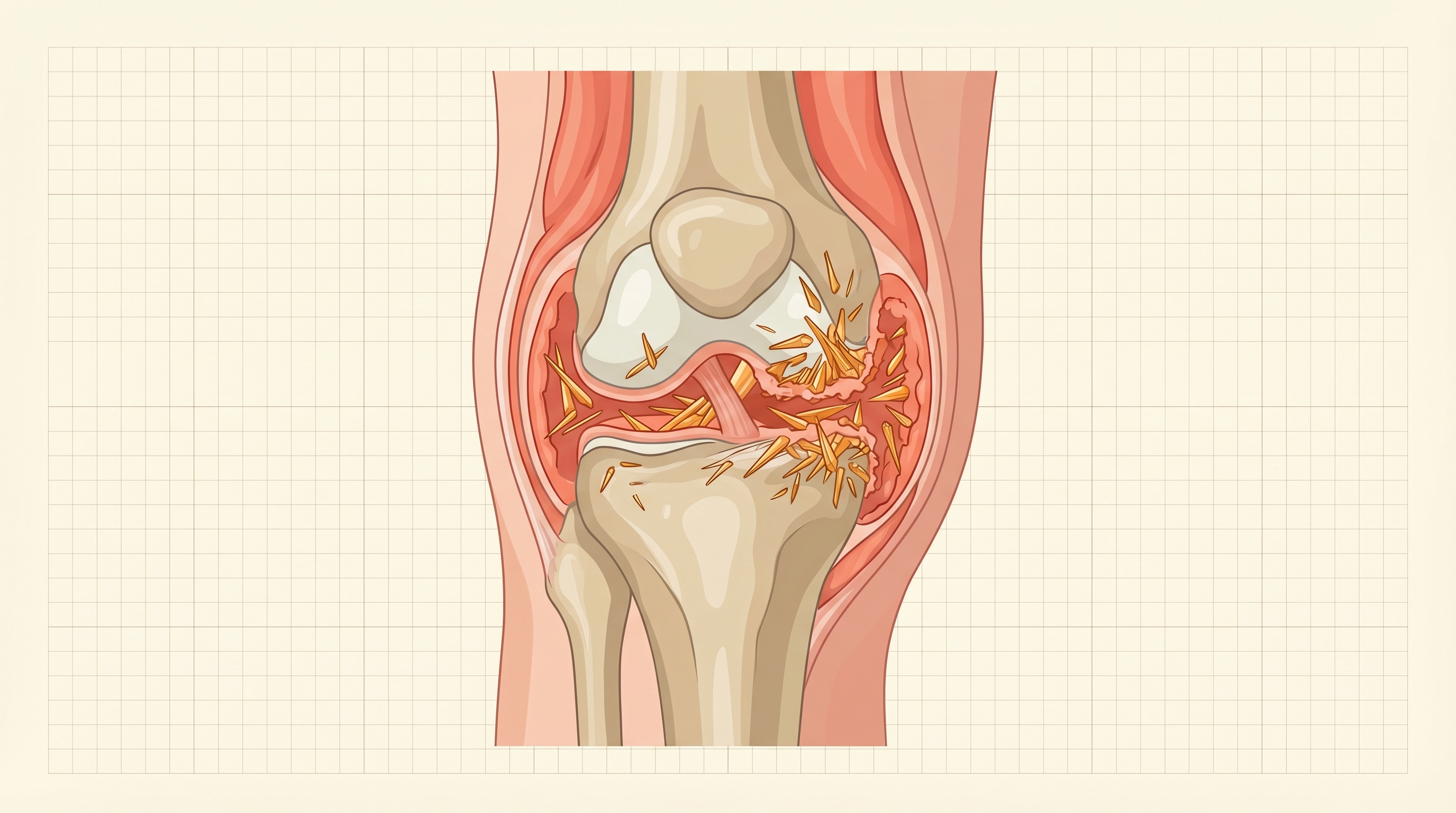
Quick Answer
At the first sign of a gout flare, take your prescribed medication immediately (colchicine works best within 12 hours), apply ice for 20 minutes, elevate the joint, and drink plenty of water. Most home-treated flares resolve in 3-7 days with medication; untreated attacks can last 7-14 days. Go to the ER if your joint is extremely hot with fever over 101 degrees F, as this could signal a joint infection.
Recognizing a Gout Flare Early
The sooner you act, the shorter and less severe the attack will be. A study in Arthritis & Rheumatology found that patients who started treatment within 12 hours of symptom onset had 50% shorter flares compared to those who waited 24+ hours.
Early warning signs (act NOW):
- A tingling, burning, or itching sensation in a joint
- Mild stiffness or warmth in a previously affected joint
- A vague sense that “something is about to happen” in the joint
Full attack signs:
- Sudden, severe joint pain — often starting at night
- Joint is hot, swollen, red, and extremely tender
- Pain that reaches maximum intensity within 12-24 hours
- The affected area hurts when anything touches it, even a bedsheet
The big toe is the classic location, but gout frequently attacks the knee, ankle, foot, wrist, and elbow.
Your First 24 Hours: Step-by-Step Action Plan
Step 1: Take Your Medication Immediately
If you have colchicine on hand:
- Take 1.2 mg at the first sign of a flare
- Take 0.6 mg one hour later
- Continue 0.6 mg once or twice daily until the flare resolves
- Do NOT exceed these doses — more is not better and causes severe diarrhea
If you have NSAIDs:
- Naproxen 500 mg, then 250 mg every 8 hours, OR
- Indomethacin 50 mg, then 25-50 mg every 8 hours
- Take with food to protect your stomach
- Caution for patients over 65: NSAIDs carry higher risks for kidney injury, stomach bleeding, and cardiovascular events. Talk to your doctor about whether NSAIDs are safe for you.
If you have prednisone:
- Take as your doctor prescribed (typically 30-40 mg daily for 3-5 days, then taper)
- Prednisone is often the safest option for Medicare-age patients with kidney disease or multiple medications
If you have NO medication at home:
- Call your doctor’s office first thing — many will phone in a prescription
- Over-the-counter naproxen (Aleve) at 220 mg, 2 tablets initially, then 1 tablet every 12 hours, can help bridge the gap
- Do NOT take aspirin — low-dose aspirin raises uric acid levels and can worsen gout
Step 2: Ice the Joint
Apply an ice pack wrapped in a thin towel to the affected joint for 20 minutes at a time, with at least 20 minutes between applications.
A 2021 study in the Journal of Clinical Rheumatology confirmed that topical ice reduced pain scores by an average of 2 points on a 10-point scale during acute gout attacks. Ice constricts blood vessels, reduces swelling, and numbs pain.
Tips:
- A bag of frozen peas or corn conforms well to joint surfaces
- Never apply ice directly to skin
- Repeat 3-4 times throughout the day
Step 3: Elevate the Joint
Raising the affected limb above heart level helps drain excess fluid and reduce swelling. If the attack is in your foot, ankle, or knee:
- Lie down and prop the leg on 2-3 pillows
- Use a recliner with the leg rest elevated
- Avoid sitting with the foot on the floor for extended periods
Step 4: Hydrate Aggressively
Drink at least 8-12 glasses of water during the first 24 hours. Hydration helps your kidneys flush uric acid and can shorten flare duration. A study in the American Journal of Medicine found that adequate hydration during a flare reduced pain intensity and duration compared to normal fluid intake.
- Water is best
- Unsweetened tart cherry juice may provide additional anti-inflammatory benefit
- Avoid alcohol completely — it blocks uric acid excretion
- Avoid sugary drinks — fructose increases uric acid production
Step 5: Protect the Joint
- Remove shoes and socks if the foot is affected
- Use a bed cradle or tent the sheets over your foot to keep fabric off the joint
- Do not bear weight on the affected limb if possible
- Use a cane on the opposite side if you must walk
Day-by-Day Recovery Timeline
| Day | What to Expect | What to Do |
|---|---|---|
| Day 1 | Worst pain, maximum swelling, joint hot and red | Take medication, ice, elevate, hydrate |
| Day 2-3 | Pain begins to ease if medication started early | Continue medication on schedule, keep icing |
| Day 3-5 | Swelling decreasing, redness fading, pain manageable | Continue medication, start gentle range of motion |
| Day 5-7 | Most of the acute pain gone, residual aching | Taper medication as directed, resume light activity |
| Day 7-14 | Full resolution for most treated flares | Follow up with doctor about prevention |
Without treatment, flares typically take 7-14 days to resolve on their own, and knee gout attacks may last even longer.
What NOT to Do During a Gout Attack
Avoid these common mistakes:
- Do not take aspirin — Even low-dose aspirin (81 mg) decreases uric acid excretion. If you take daily aspirin for heart protection, talk to your doctor — you should usually continue it, but do not take extra.
- Do not drink alcohol — Alcohol blocks uric acid excretion and will prolong the attack. Beer is worst. Wine is also off-limits during a flare.
- Do not exercise the joint — Rest is essential. Exercise during a flare worsens pain and can prolong the episode.
- Do not apply heat — Heat increases blood flow and inflammation. Use ice only during acute flares.
- Do not eat high-purine foods — Red meat, organ meats, shellfish, and gravy can worsen the attack. Stick to low-purine foods. See our gout diet guide for safe options.
- Do not stop your uric acid-lowering medication — If you already take allopurinol or febuxostat, continue it during the flare. Stopping and restarting these drugs can trigger rebound attacks.
When to Go to the ER
Most gout attacks can be managed at home, but certain situations require urgent medical attention.
Go to the emergency room if:
- High fever (over 101 degrees F) with a hot, swollen joint — This can indicate septic arthritis (joint infection), which is a medical emergency that requires IV antibiotics. Gout and infection look very similar, and only a joint fluid test can tell them apart.
- First-ever attack and you are unsure of the cause — A proper diagnosis requires joint aspiration to confirm uric acid crystals and rule out infection.
- Multiple swollen joints with severe systemic illness — Polyarticular gout (multiple joints at once) with fever, chills, and confusion can require hospital management.
- You cannot keep oral medications down — Severe nausea or vomiting may mean you need injectable treatment (IV corticosteroids or subcutaneous anakinra).
- Pain is not improving after 48 hours of treatment — The diagnosis may be wrong, or you may need a different medication approach.
Get your gout flare action plan
Practical tips for managing gout attacks and preventing future flares, delivered to your inbox.
Join 10,000+ readers. No spam.
Preventing the Next Attack
Once your flare resolves, prevention should become your top priority. Without treatment, there is a 60% chance of a second attack within one year and an 80% chance within two years.
Talk to Your Doctor About:
-
Uric acid-lowering therapy — If this is your second or third attack, you likely need daily medication. Read our complete treatment guide for details on allopurinol, febuxostat, and newer options.
-
Keeping colchicine on hand — Ask for a prescription to keep at home so you can start treatment within hours, not days. Early treatment is the single biggest factor in shortening flare duration.
-
Identifying your triggers — Keep a simple log tracking diet, alcohol, hydration, stress, and sleep in the weeks before each attack. Patterns often emerge.
Lifestyle Prevention Strategies
- Follow a gout-friendly diet — Limit purines, increase dairy, eat cherries
- Stay well hydrated — 8-12 glasses of water daily, more in hot weather
- Limit alcohol — Especially beer and liquor
- Maintain a healthy weight — Lose weight gradually (1-2 lbs/week); crash diets trigger flares
- Manage related conditions — High blood pressure, diabetes, and kidney disease all affect uric acid levels. Optimizing these conditions improves gout control.
Building Your Gout Emergency Kit
Keep these supplies ready so you can respond immediately:
- Medications — Colchicine or prednisone (prescription), plus over-the-counter naproxen as a backup
- Ice packs — Keep 2-3 reusable gel packs in the freezer
- Pillows — For elevation
- Bed cradle or box — To keep sheets off the joint
- Tart cherry juice — Unsweetened, kept in the pantry
- Water bottle — A large one to encourage hydration
- Your doctor’s number — Both office and after-hours line
Frequently Asked Questions
How long does a gout attack last?
With prompt treatment (started within 12-24 hours), most flares resolve in 3-7 days. Without treatment, attacks typically last 7-14 days. Knee gout attacks tend to last slightly longer than attacks in smaller joints.
Can I walk during a gout attack?
Walk only when absolutely necessary (to the bathroom, for example). Bearing weight on a gout-affected joint increases pain and can prolong the flare. Use a cane on the opposite side if you must walk. Once the attack has fully resolved, gradually resume normal walking.
Is it normal to have gout attacks when starting allopurinol?
Yes. This is a well-known phenomenon called a “mobilization flare.” When uric acid levels drop, existing crystal deposits shift, triggering inflammation. This is actually a sign the medication is working. Your doctor should prescribe prophylactic colchicine for the first 3-6 months to prevent these flares. Do not stop the allopurinol.
Does cherry juice actually help during a flare?
Tart cherry juice has anti-inflammatory properties from anthocyanins. While the strongest evidence is for flare prevention (35% reduction in a study of 633 patients), drinking 8-16 ounces of unsweetened tart cherry juice during a flare may provide modest additional benefit alongside medication.
Can stress trigger a gout attack?
Yes. Stress increases cortisol and other hormones that affect kidney function and uric acid handling. A study in Arthritis Research & Therapy found that patients who reported high stress levels had more frequent gout flares. Stress management, adequate sleep, and hydration all help.
Should I go to the ER or urgent care for a gout attack?
For a known, previously diagnosed gout attack that you can manage at home, an urgent care or telehealth visit to get medication prescribed is usually sufficient. Go to the ER if you have a high fever with a hot swollen joint (possible infection), if this is your first-ever attack and you need a definitive diagnosis, or if you cannot keep oral medications down.
The information in this article is for educational purposes only and is not intended as medical advice. A gout flare with fever may indicate a joint infection that requires emergency treatment. Always contact your healthcare provider for guidance on managing acute gout attacks.
Last medically reviewed: April 2026
Enjoyed this article?
Get more insights like this delivered to your inbox weekly.
Join 10,000+ readers. No spam.